
How High-Performance Components Extend Trailer Lifespan
Introduction
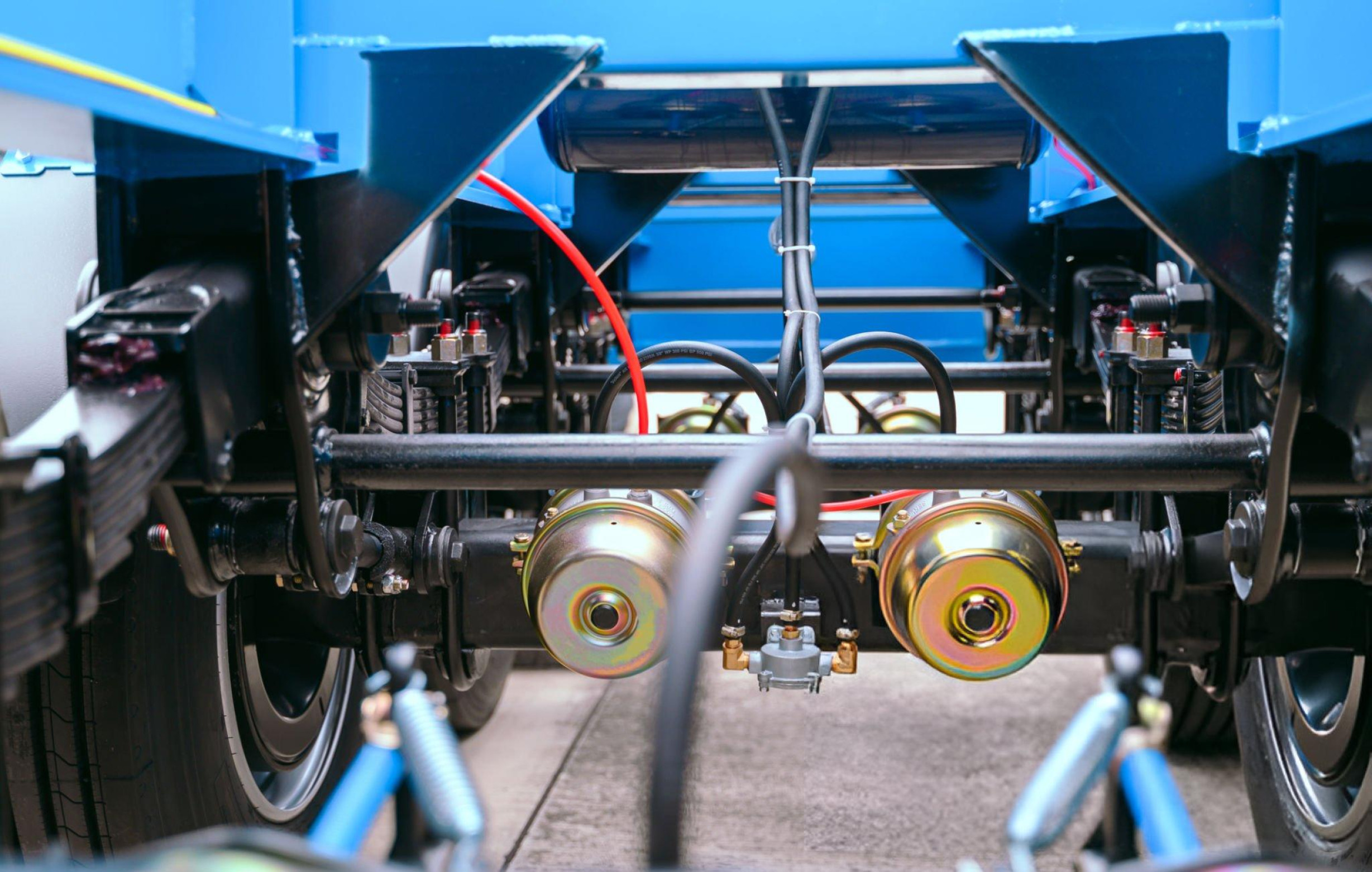
In the trailer manufacturing and transport industry, durability isn’t just a benefit—it’s a necessity. Trailers face constant exposure to heavy loads, tough terrains, and harsh weather conditions. To survive and perform under these challenges, every part—from chassis components to winches—must be built to last. That’s where high-performance components come into play. Investing in well-engineered, long-lasting trailer parts reduces operational costs, minimizes downtime, and extends the trailer’s total service life.
Material Engineering and Fatigue Testing
One of the cornerstones of high-performance trailer components is advanced material engineering. Manufacturers use high-tensile steel, treated alloys, and reinforced polymers to enhance strength without adding unnecessary weight. These materials undergo rigorous fatigue testing to simulate years of stress, vibration, and load cycles. The goal is to identify weak points early and ensure the final component can withstand repeated use in demanding transport environments.
Better materials mean fewer cracks, breaks, and replacements—translating to longer component and trailer lifespan.
Coating Technologies for Rust Prevention
Corrosion is a silent destroyer of trailer components, especially those exposed to moisture, salt, or chemicals on the road. Protective coatings such as:
- Powder coatings
- Zinc plating
- Galvanization
- Epoxy layers
… are essential for preventing rust and surface degradation.
High-performance parts are treated with advanced anti-corrosion technologies that increase their resilience. These coatings not only maintain the integrity of the parts but also preserve their load-bearing capabilities and aesthetics over time, further reducing the need for frequent replacements.
Load Capacity Planning in Design
A critical aspect of high-performance parts is load capacity planning. Components like winches, channels, and chassis fittings are not randomly selected—they’re engineered based on precise calculations involving expected weight distribution, tension forces, and movement dynamics.
Proper design ensures:
- Even weight distribution
- Minimal stress concentrations
- Fewer component failures under load
When components are matched to their workload and usage frequency, they’re less likely to fail prematurely, thereby preserving the trailer’s structural integrity.
Role of Regular Component Checks
Even the best parts need routine inspections. High-performance doesn’t mean maintenance-free. Operators should regularly check:
- Fasteners for tightness
- Winches and straps for wear
- Tracks and channels for bending or rust
- Coatings for chips or corrosion
Using quality components means these checks are likely to reveal fewer issues, but they’re still essential for catching early signs of wear and preventing larger failures.
Cost Comparison: Quality Parts vs. Frequent Replacements
At first glance, high-performance parts may seem expensive. However, when compared with the cumulative cost of:
- Frequent replacements
- Repair labor
- Downtime losses
- Potential cargo damage
…the investment is justified.
A single high-quality sliding winch, for example, might last three times longer than a low-cost version, requiring fewer replacements and offering consistent performance. Over a trailer’s lifespan, the savings in maintenance and reduced downtime far outweigh the initial cost.
Conclusion
High-performance trailer components are more than just durable—they’re economically smart and operationally essential. From engineered materials and rust-proof coatings to smart load design and lower failure rates, these parts form the foundation of a trailer’s reliability. For companies in transport, agriculture, and construction, investing in quality means fewer breakdowns, smoother operations, and a longer-lasting trailer fleet. In short, premium parts lead to maximum returns.
Posts Widget


Precision Engineered Parts
Renati Exports delivers trusted, high-performance tractor and trailer parts with innovation, precision, and global reach.
